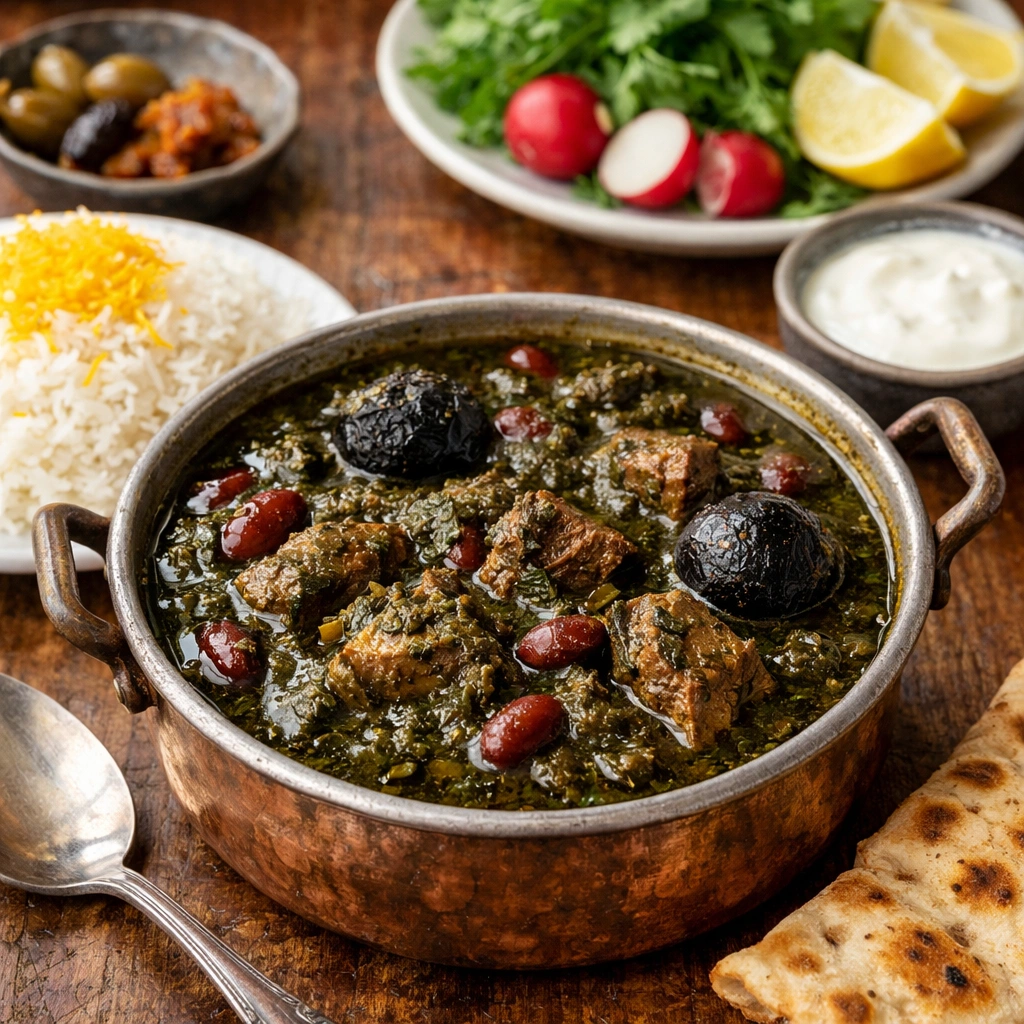

If you think a stew is just a bunch of meat and water, you are dead wrong. This dish is the holy grail of Persian food and if you mess it up, you are basically insulting an entire culture. People argue for hours about whether the herbs should be fried until they are dark green or almost black, and honestly, the darker the better.
History of Ghormeh Sabzi:
The craziest thing is that this recipe is literally thousands of years old. Ancient Persians were obsessed with herbs, and they found a way to preserve them by slow-cooking them into this thick, green magic. It started as a way for tribal people to use up every bit of the harvest, and it has stayed exactly the same since.
Kings used to eat this, but now it is the ultimate comfort food for every family in Iran. It is funny because every single mom thinks her version is the only correct one. There is no official “original” recipe because it has been passed down through whispers and kitchen smells for centuries.
It survived wars and revolutions without changing a single ingredient. That tells you everything you need to know about how much people love it. You cannot find a more authentic taste of the past than this. It is history in a bowl, but way tastier than a museum.
What’s Inside?
The soul of this dish is the dried limes, known as Limoo Amani. They look like little dusty rocks, but they give the stew a sour, earthy punch that you cannot get anywhere else. If you do not poke holes in them to let the juices out, you are doing it wrong.
Then you have the greens, mostly parsley, cilantro, and chives. But the secret weapon is the Fenugreek. It has a bitter, nutty smell that fills up the whole house. If your neighbors do not smell it from the street, you did not use enough.
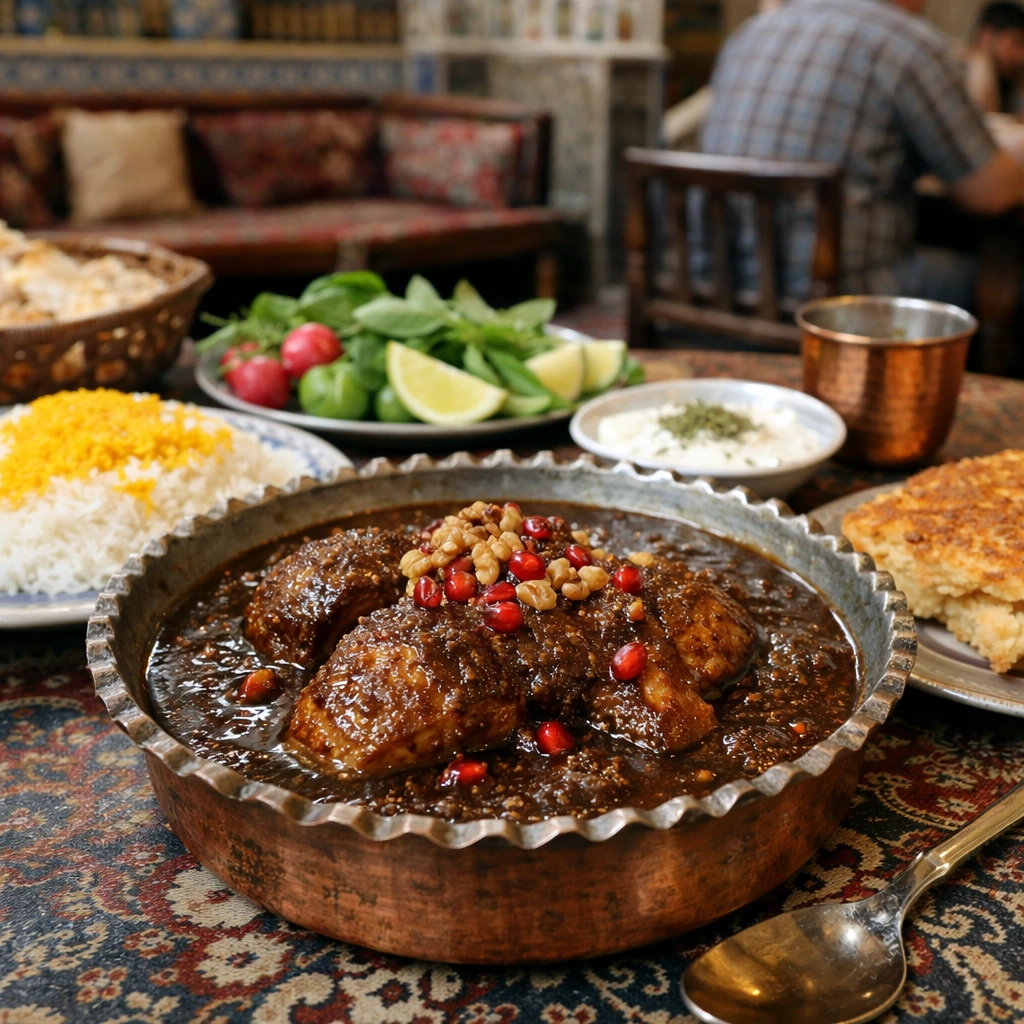
For the heart of it, you need chunks of lamb or beef and red kidney beans. Everything swims together in a thick sauce that should have a layer of green oil floating on top. That oil is the sign of a pro who let it simmer for hours.
How Iranians actually eat?
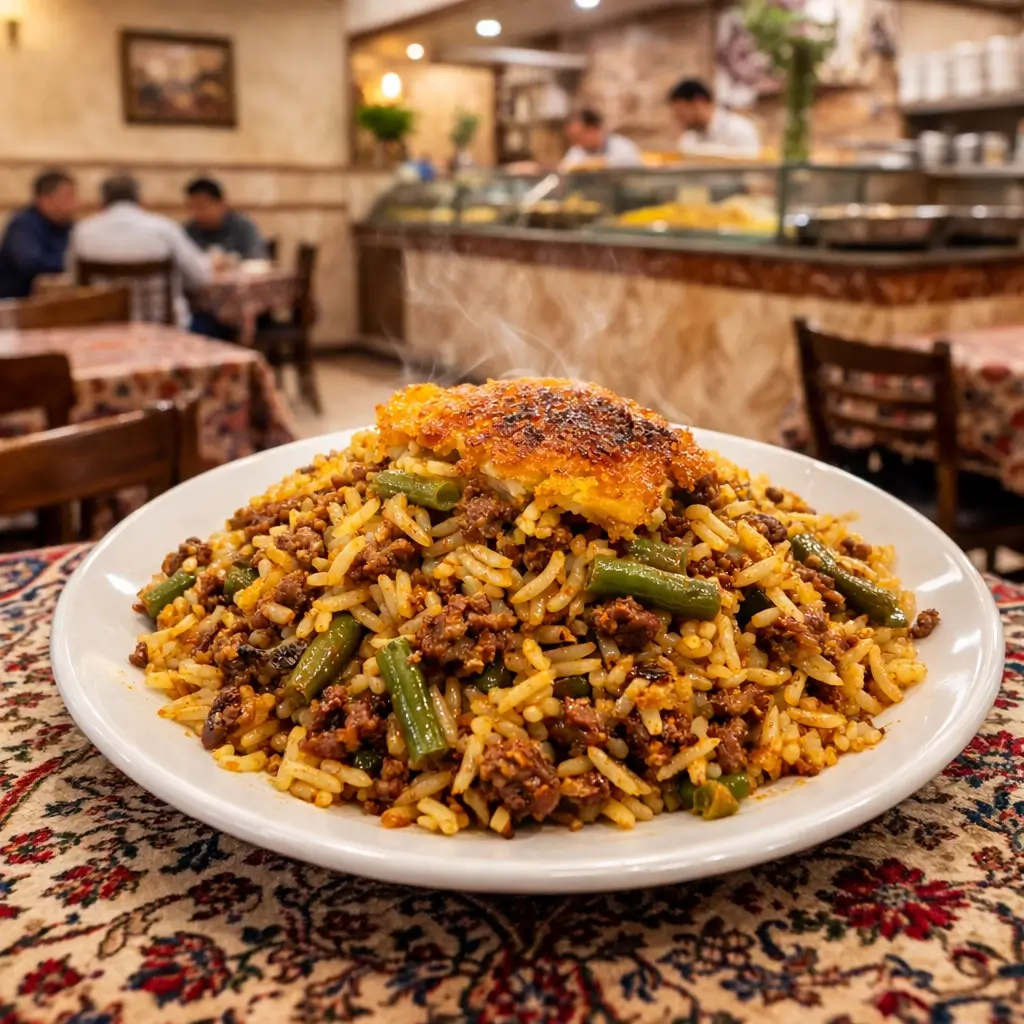
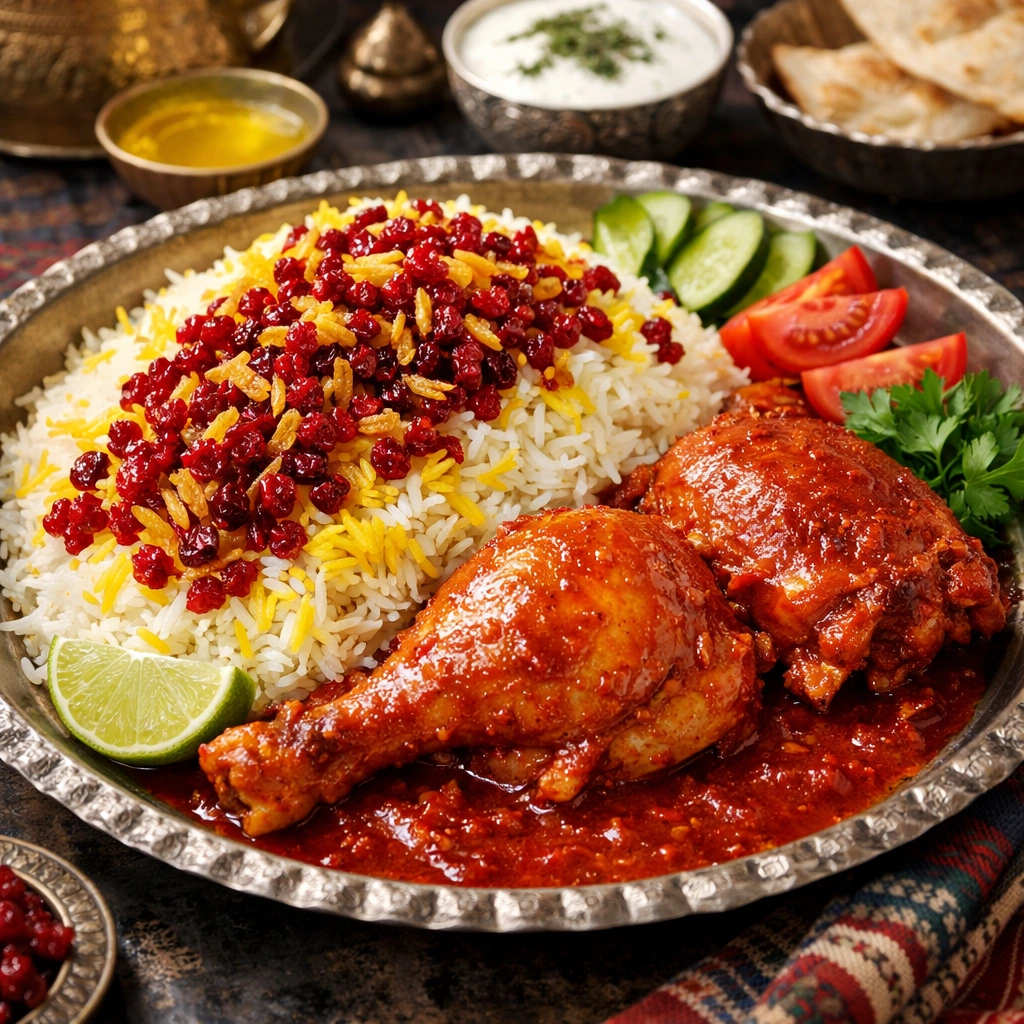
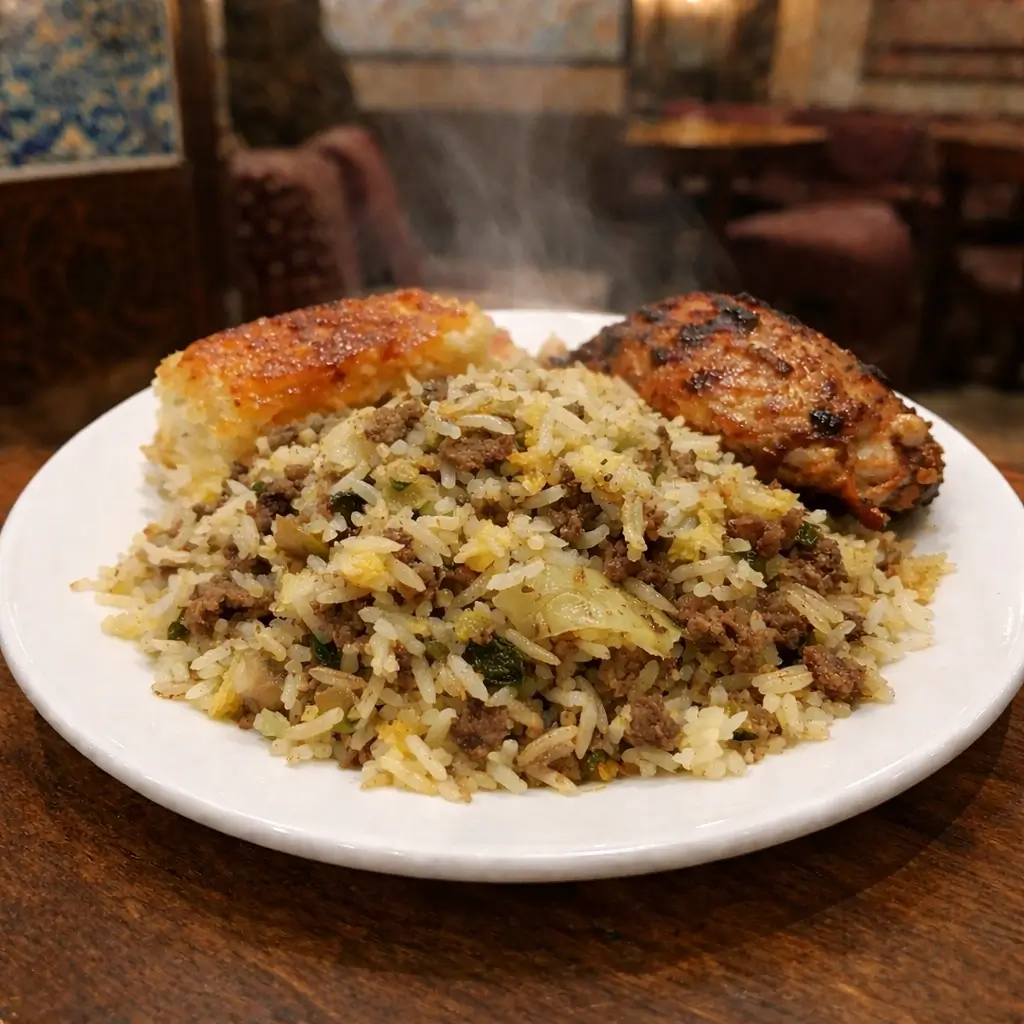
You never eat this alone; it has to be served over a mountain of saffron rice. The best part is the Tahdig, which is the crunchy, golden crust at the bottom of the pot. Everyone fights over the last piece of that crispy rice, so you have to be fast.
Locals always have a side of raw onions or a plate of fresh radishes and herbs on the table. It helps cut through the heavy, rich flavors of the stew. Most people also want a big spoonful of creamy yogurt or a Shirazi salad on the side to keep things fresh.
Whatever you do, do not rush the meal. It took five hours to cook, so you should take your time eating it. It is meant for long lunches where you talk way too much and end up taking a nap right after. It is the ultimate slow-life food.