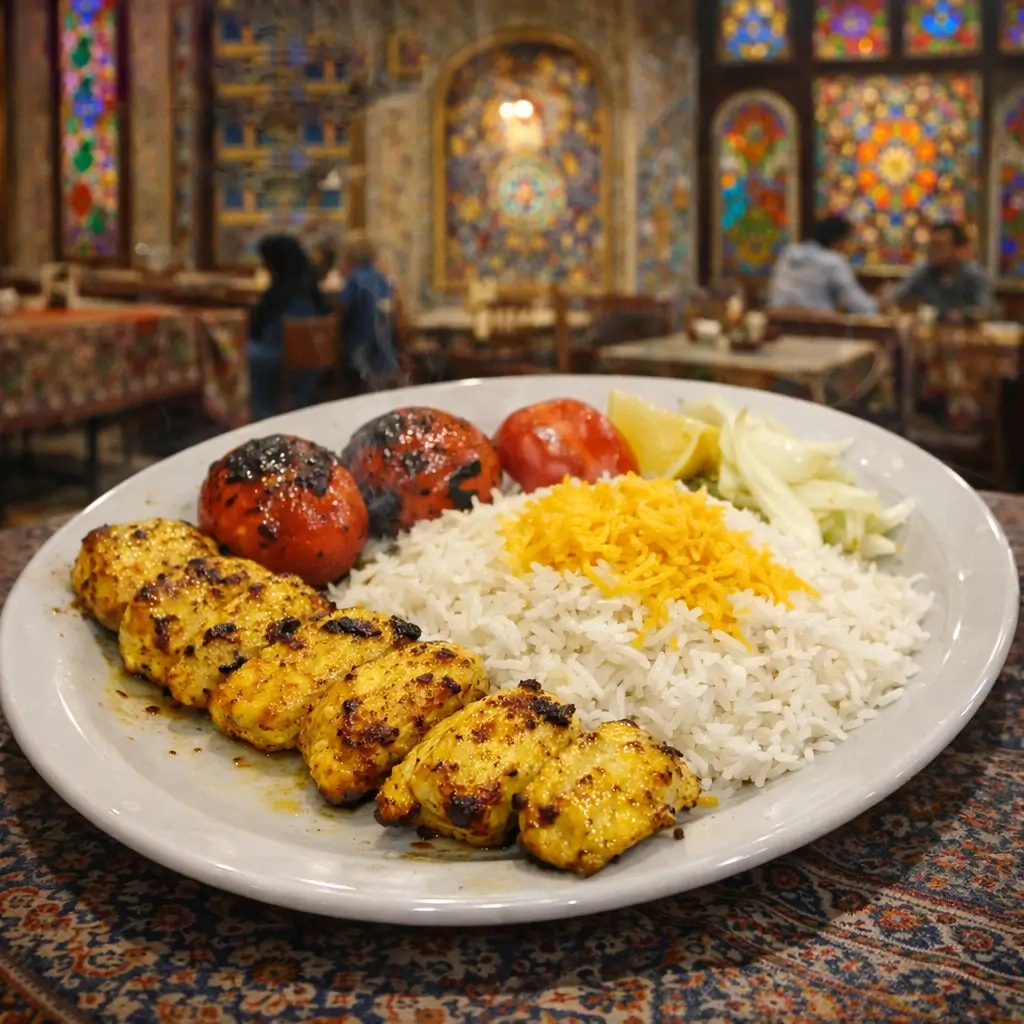
The smell of burning charcoal and singed fat usually hits you long before you actually see the source. Walking through the narrow alleys of a local market in Iran, the air is thick with the scent of onions being grated by the kilo and the sharp tang of sumac being sprinkled over hot metal grates. There is a specific rhythm to the afternoons here. Metal skewers clatter against one another, and the rhythmic thud of a heavy knife hitting a wooden chopping block creates a backdrop for the daily bustle. It is not about fancy presentation or elaborate garnishes; it is about the heat of the fire and the quality of the meat that has been seasoned with nothing more than salt, pepper, and a bit of onion juice.
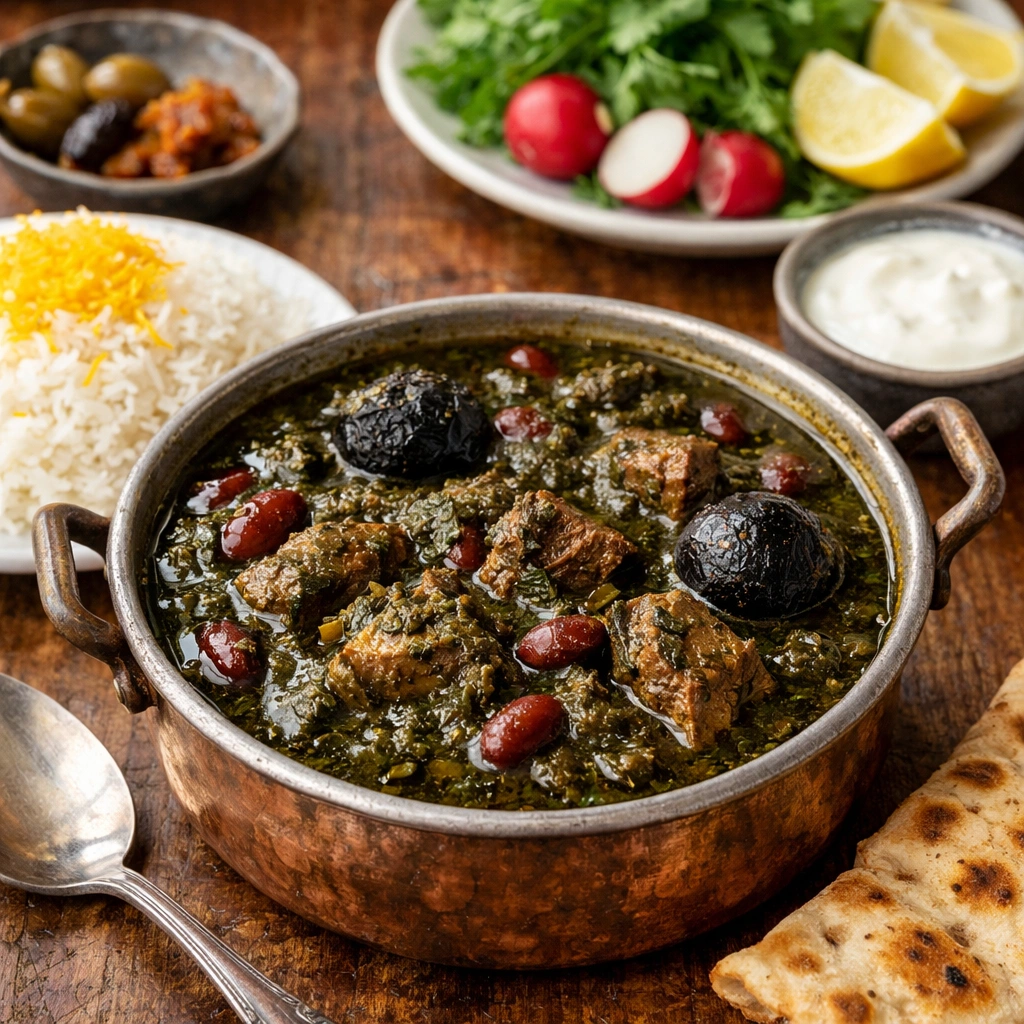
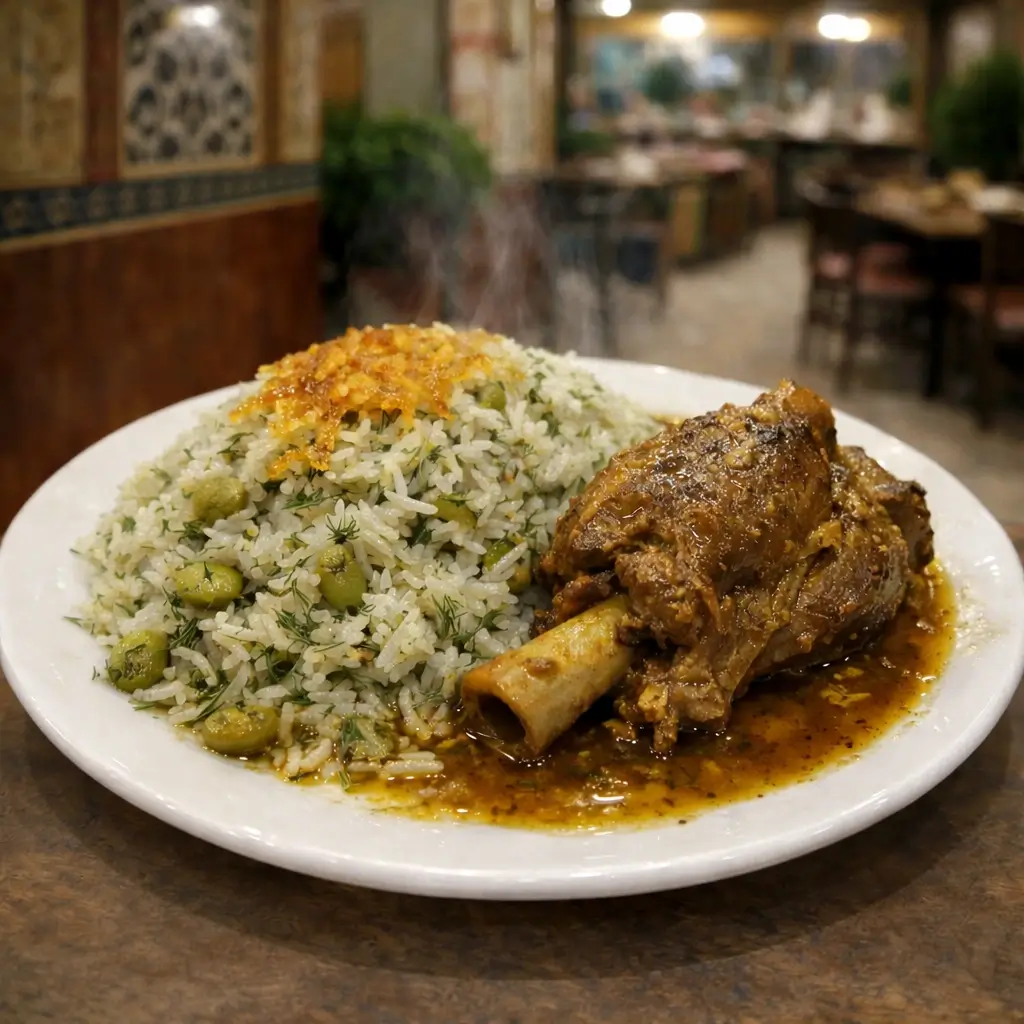
Eating in this part of the world is rarely a solitary act. You see people huddled around small plastic tables or sitting cross-legged on raised wooden platforms covered in worn-out carpets. Iranian food is deeply rooted in this sense of togetherness. It is about sharing large platters where the rice is piled high, each grain separate and fluffy, usually stained a bright yellow in patches by the most expensive spice in the world. The steam rising from these plates carries the aroma of saffron and butter, a smell that defines almost every kitchen across the plateau. There is a patience required for this kind of cooking. You cannot rush the way a pot of greens and herbs needs to simmer for six hours until the oil rises to the top and turns a dark, forest green.
The Heart of Iranian Culinary Traditions
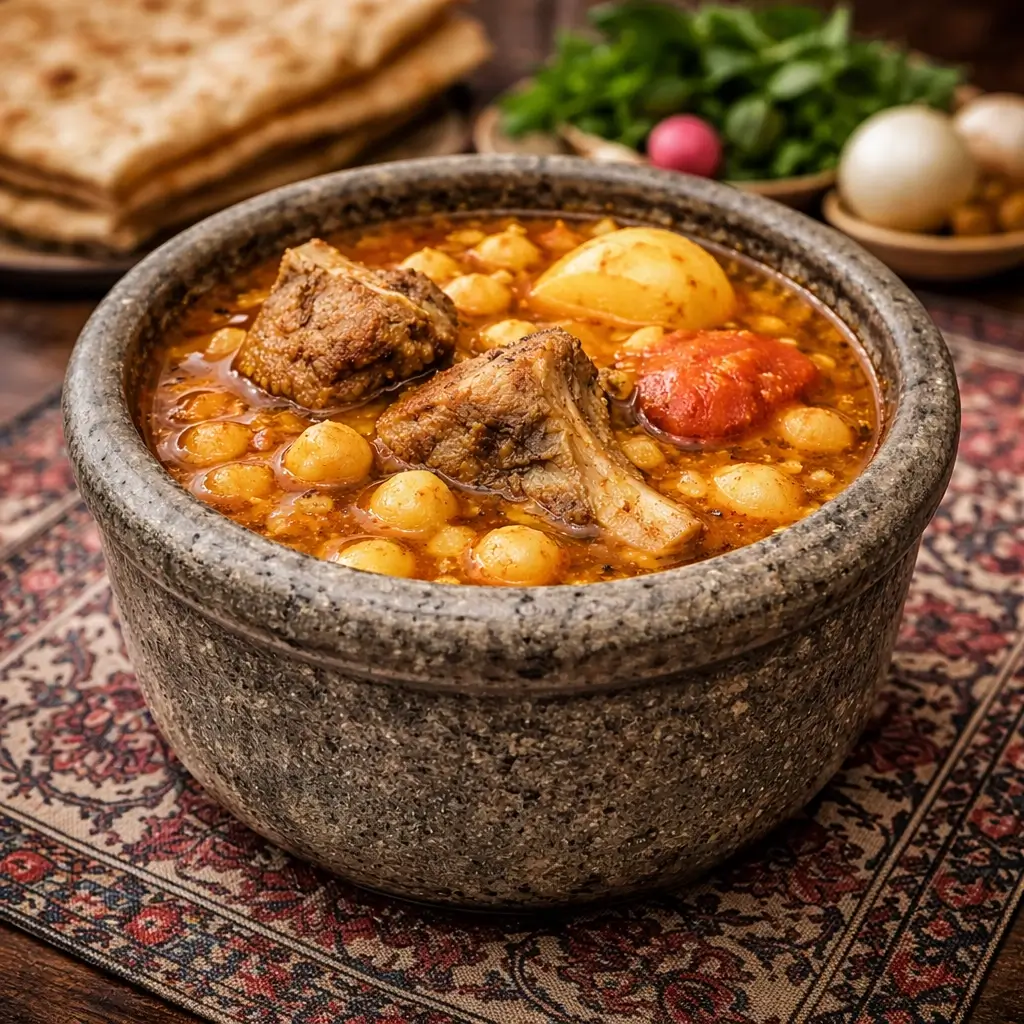
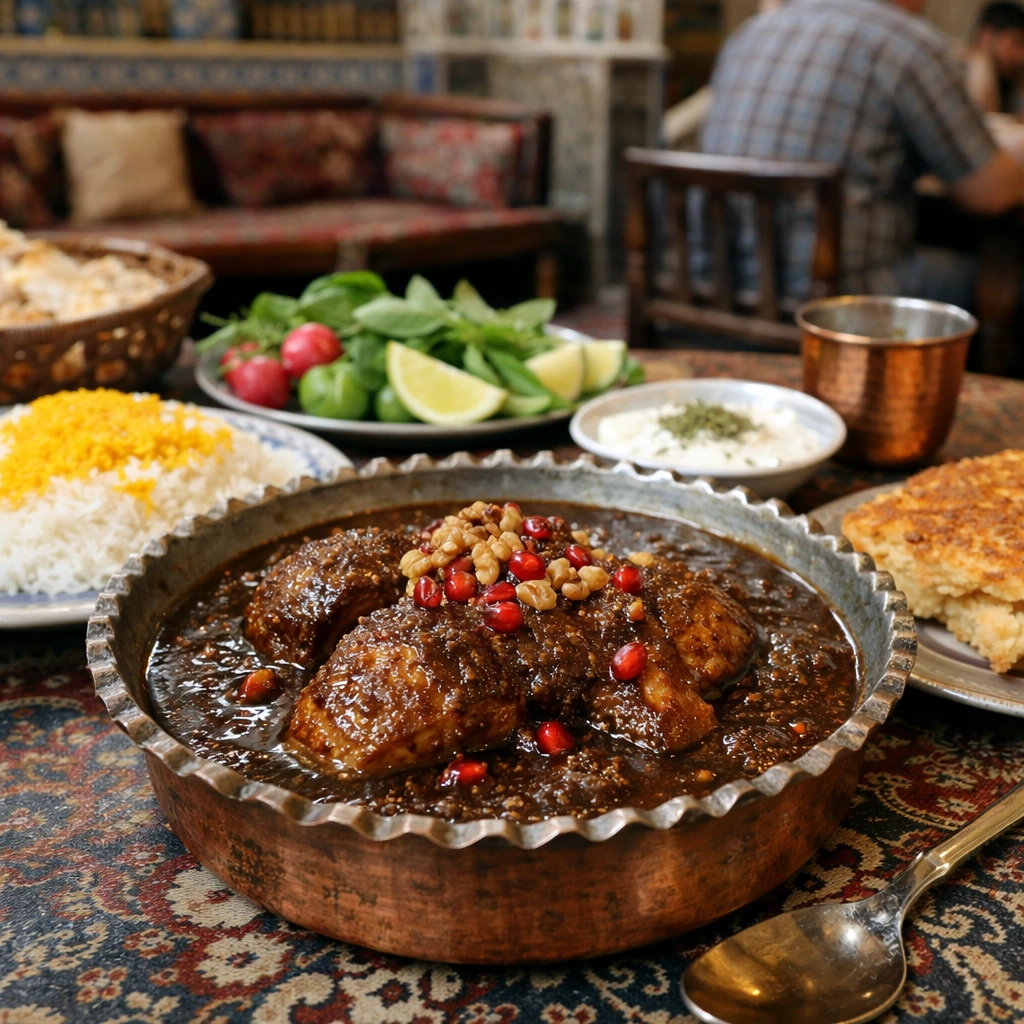
To understand the depth of Iran culinary practices, you have to look at the relationship between the ingredients. It is a balance of opposites. If a dish is heavy and fatty, it is almost always paired with something acidic, like dried limes, fresh lemon juice, or a bowl of tart yogurt. This balance is not accidental; it is a fundamental part of how people here think about their physical well-being. They talk about foods being hot or cold in nature, and a meal is only considered complete if these two forces are in equilibrium. This is why you will see a bowl of fresh herbs—mint, basil, and scallions—placed in the center of the table with every meal. These greens provide a crisp, peppery contrast to the slow-cooked stews and buttery rice that form the bulk of the Iranian food experience.
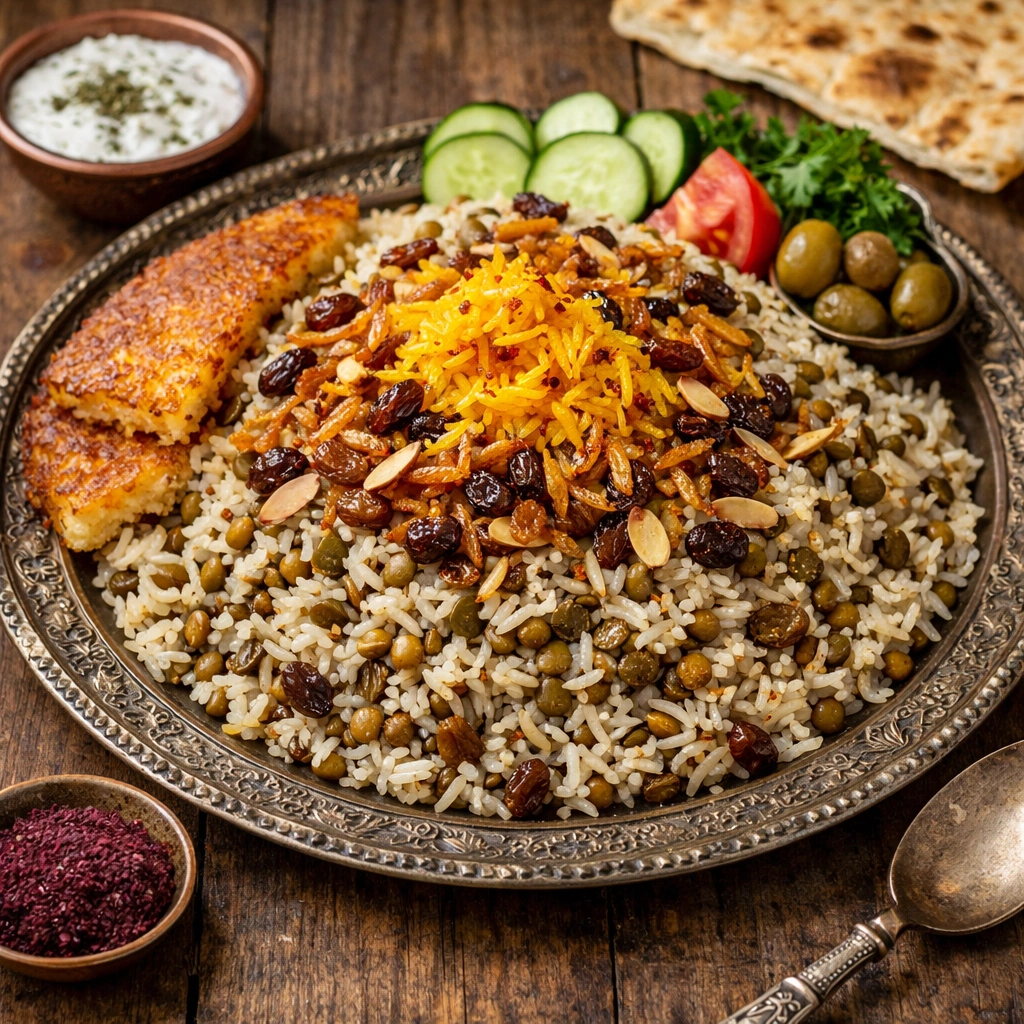
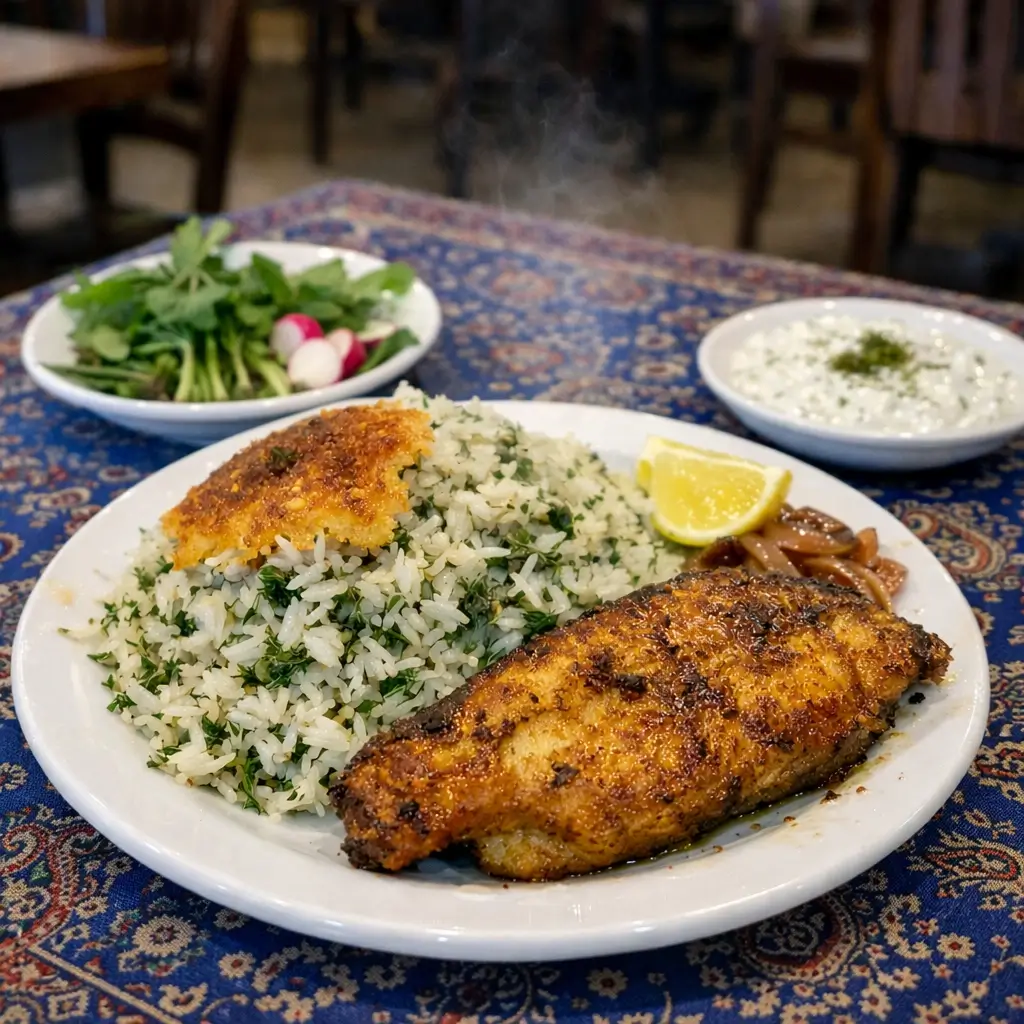
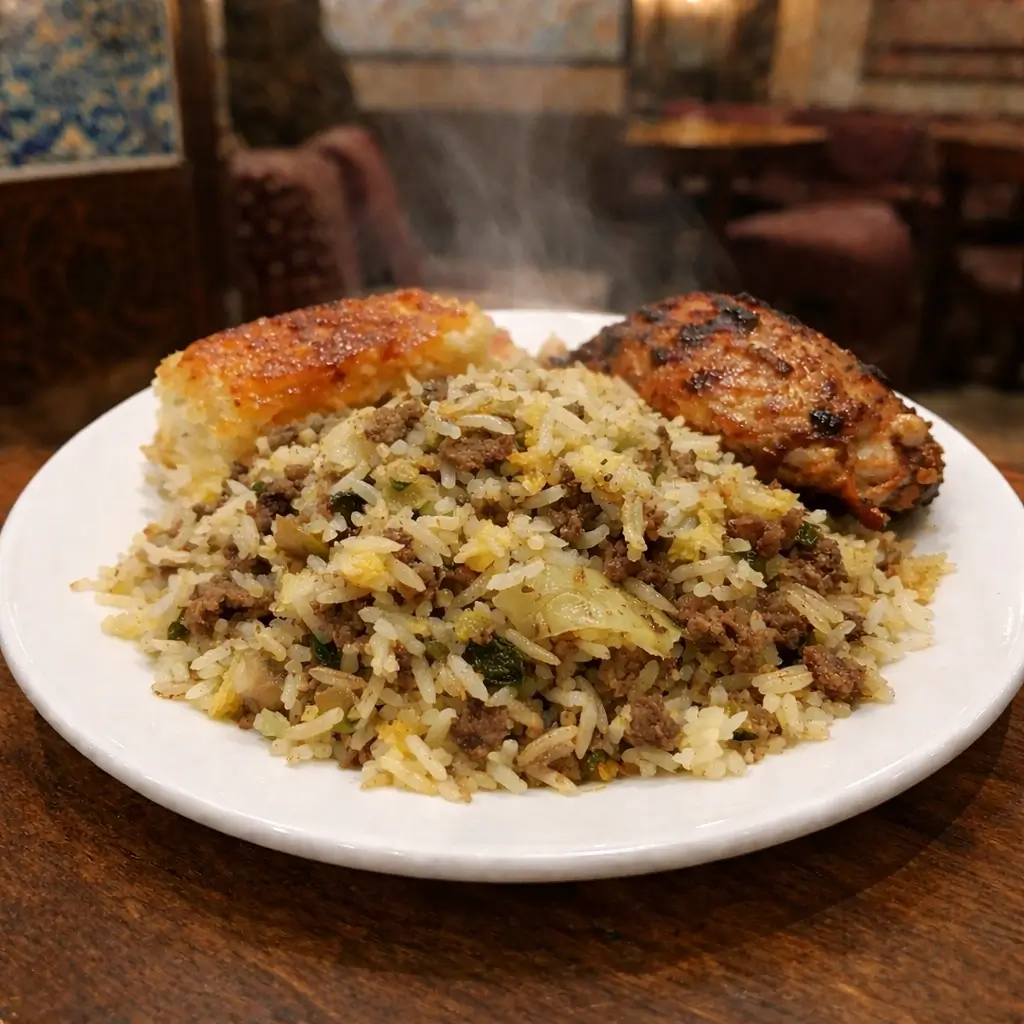
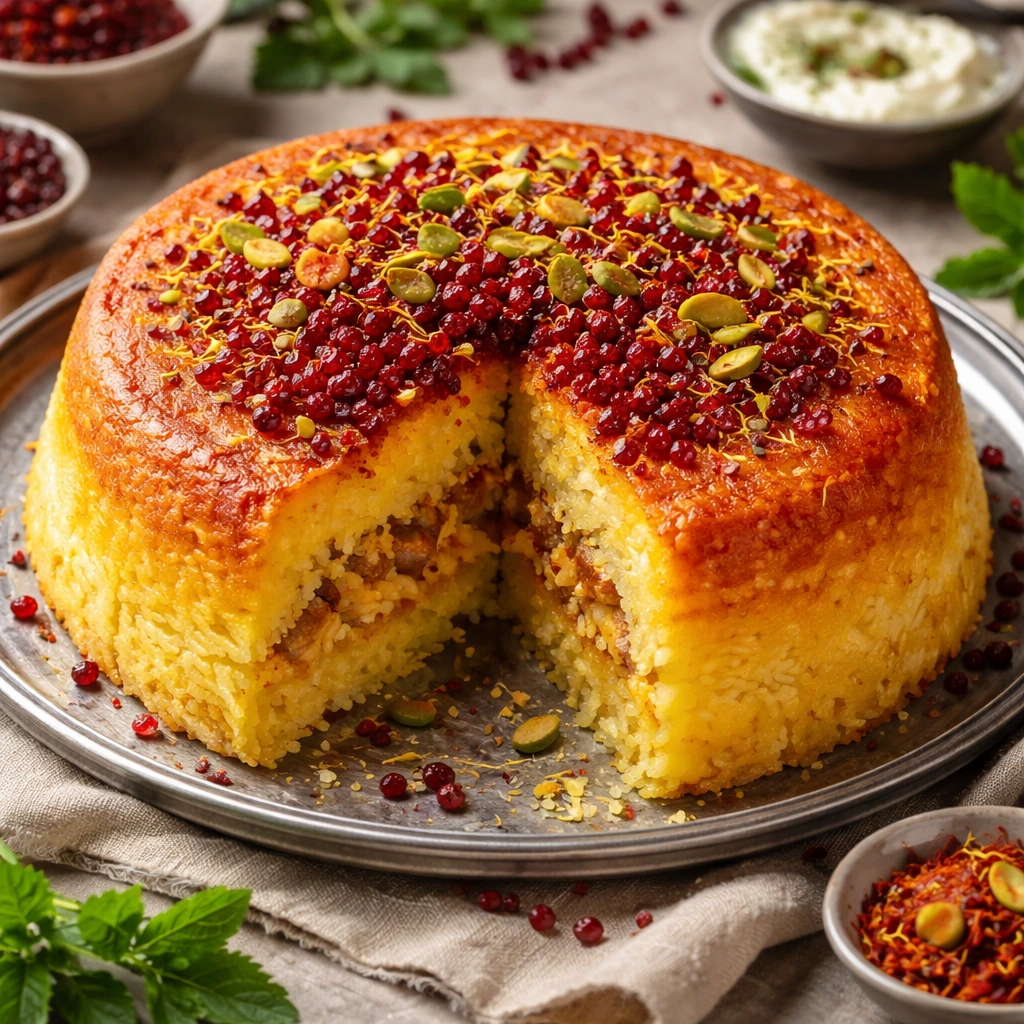
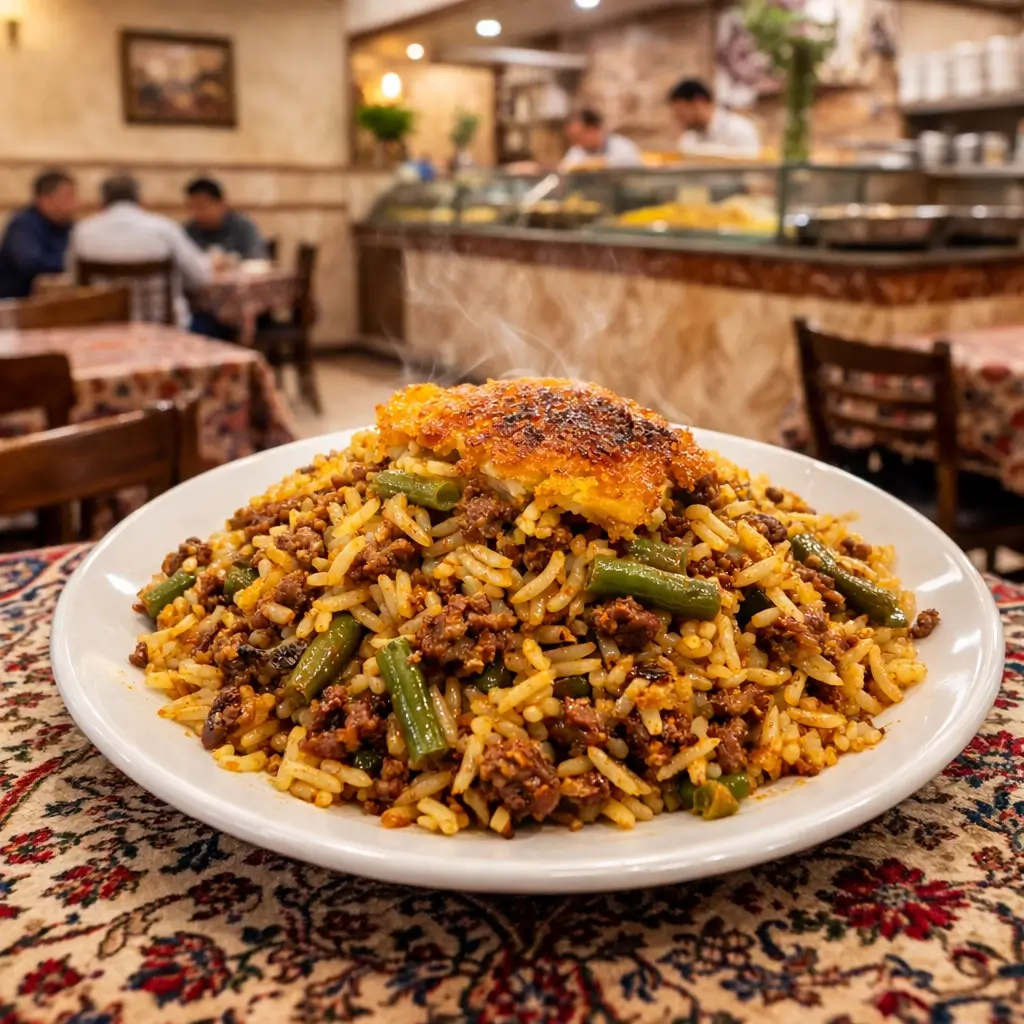
The preparation of rice is perhaps the most technical part of the entire process. It is not just boiled in water. It is soaked for hours in salt water, parboiled, drained, and then steamed slowly with a layer of oil or bread at the bottom of the pot. The goal is to create a crunchy, golden crust that everyone fights over once the pot is flipped. That crunch is a point of pride for any home cook. If the crust comes out perfectly dark and crisp without being burnt, the meal is considered a success. This focus on texture extends to everything. From the soft, pillowy flatbreads pulled straight from a clay oven to the snap of a fresh cucumber served as a side, the mouthfeel is just as important as the taste itself.
Daily Life and Persian Cooking Styles
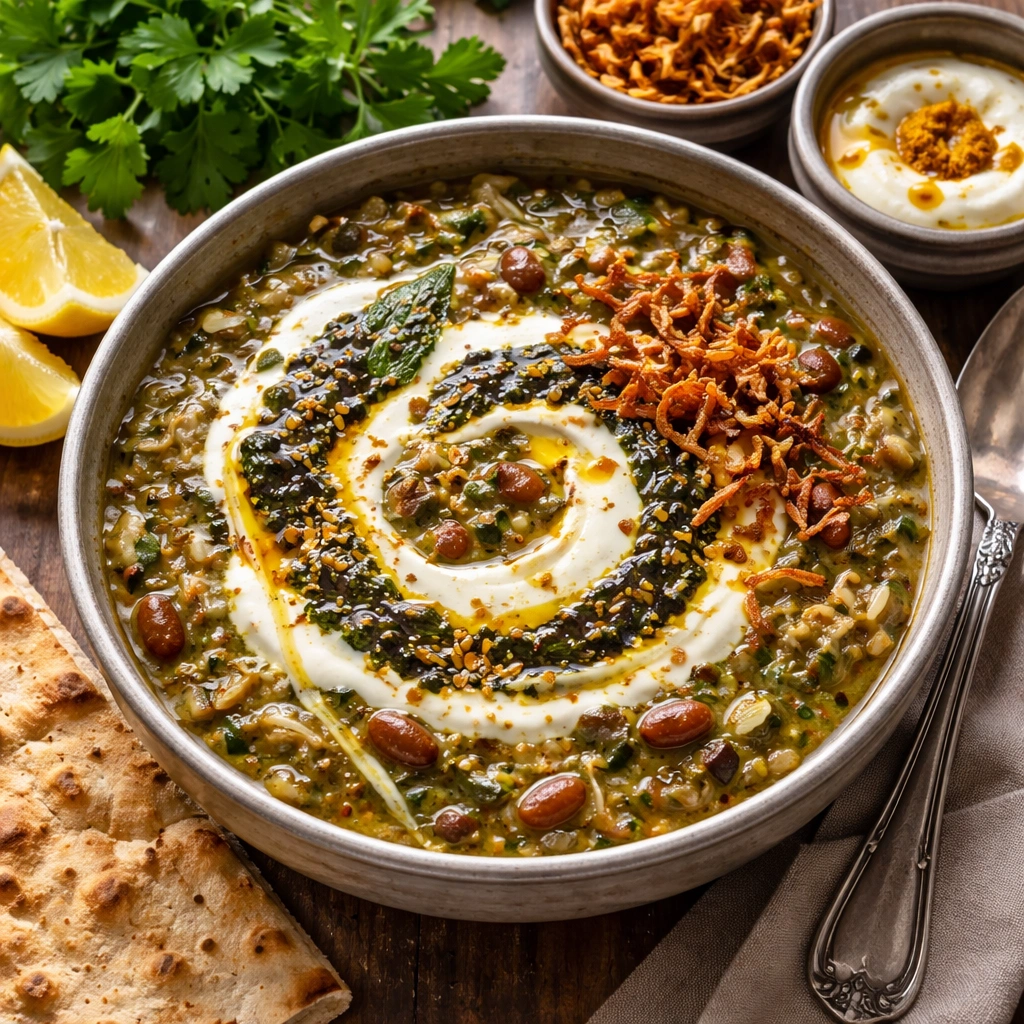
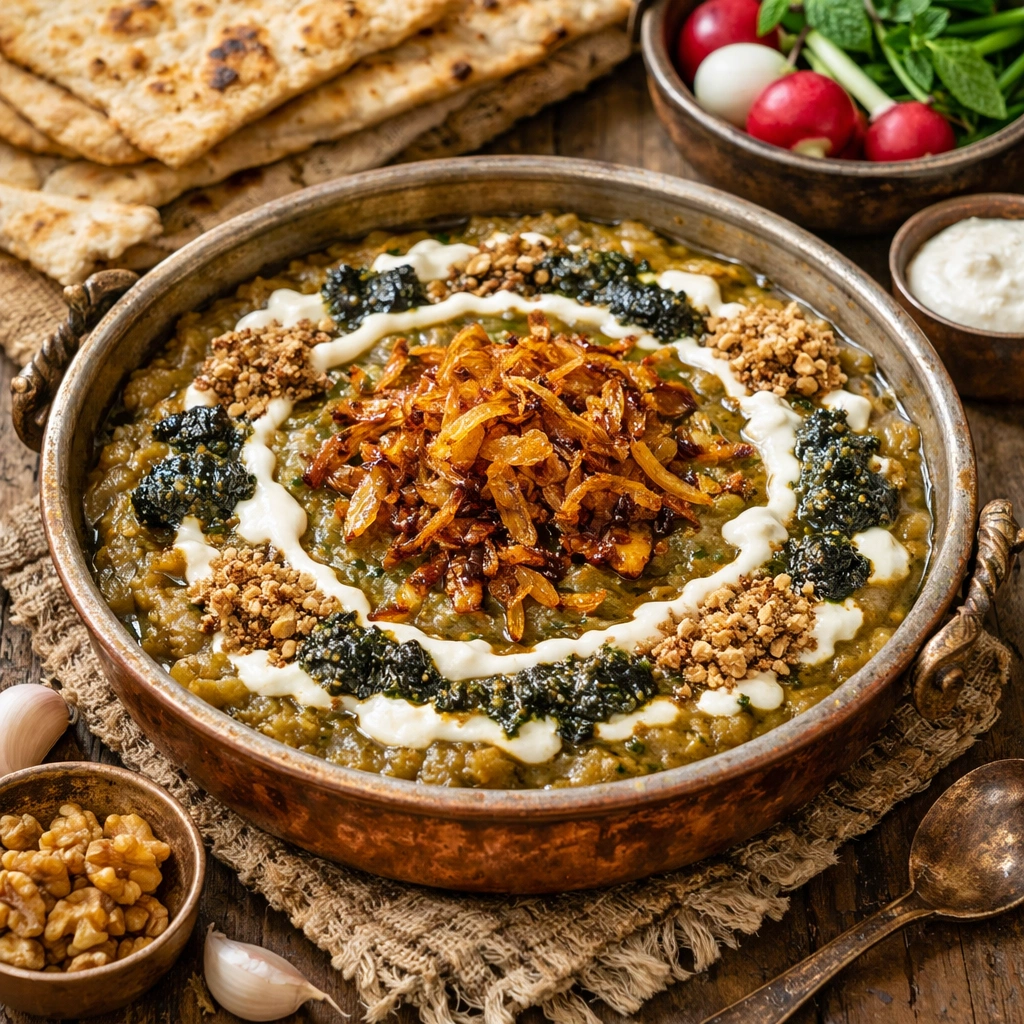
In a typical household, the kitchen is never quiet. Persian cooking is a labor-intensive affair that usually begins early in the morning. Someone is always peeling garlic, washing massive piles of cilantro, or picking the stones out of a bag of lentils. The sounds of the kitchen are the sounds of the home. There is the hiss of the pressure cooker and the bubbling of a thick soup made from several types of beans and noodles. This soup is a staple, especially during the colder months or when there is a celebration. It is topped with caramelized onions and a fermented whey that adds a salty, funky depth to the earthy greens and legumes.
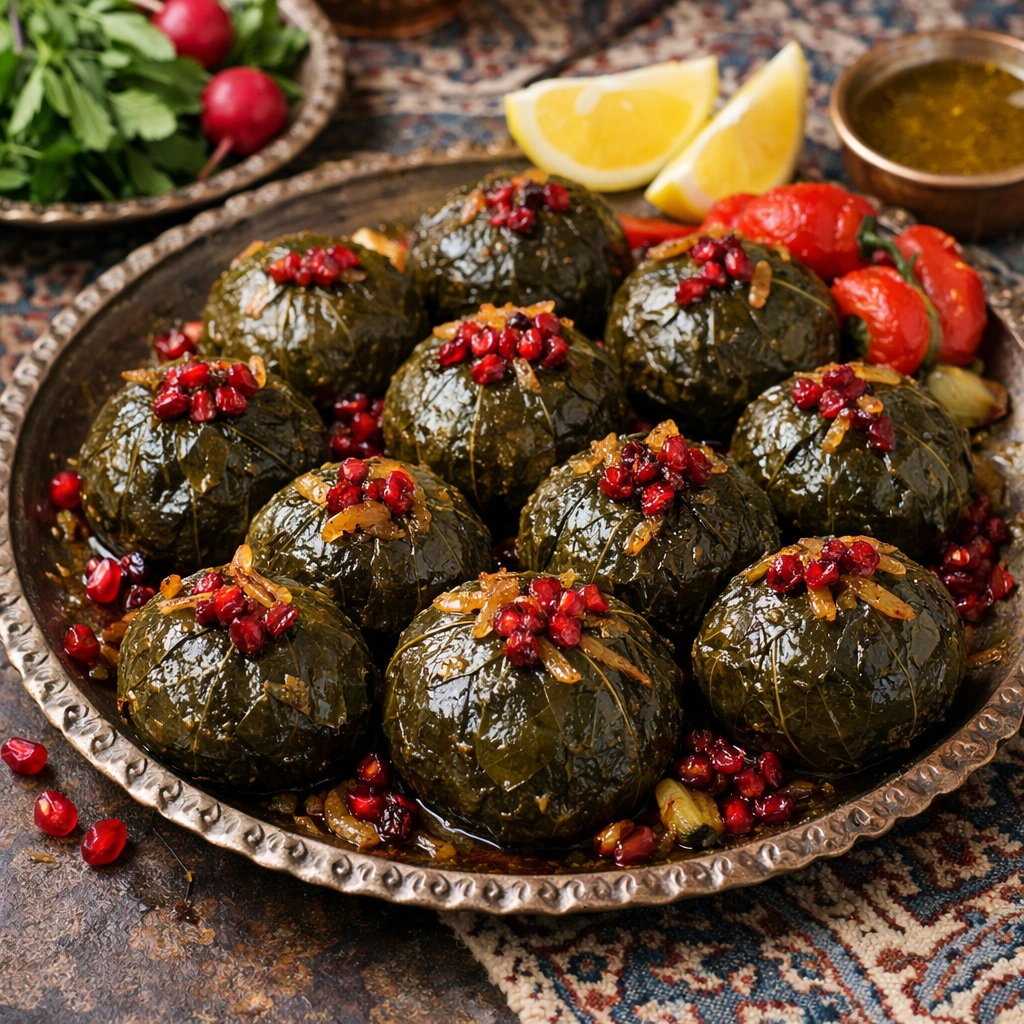
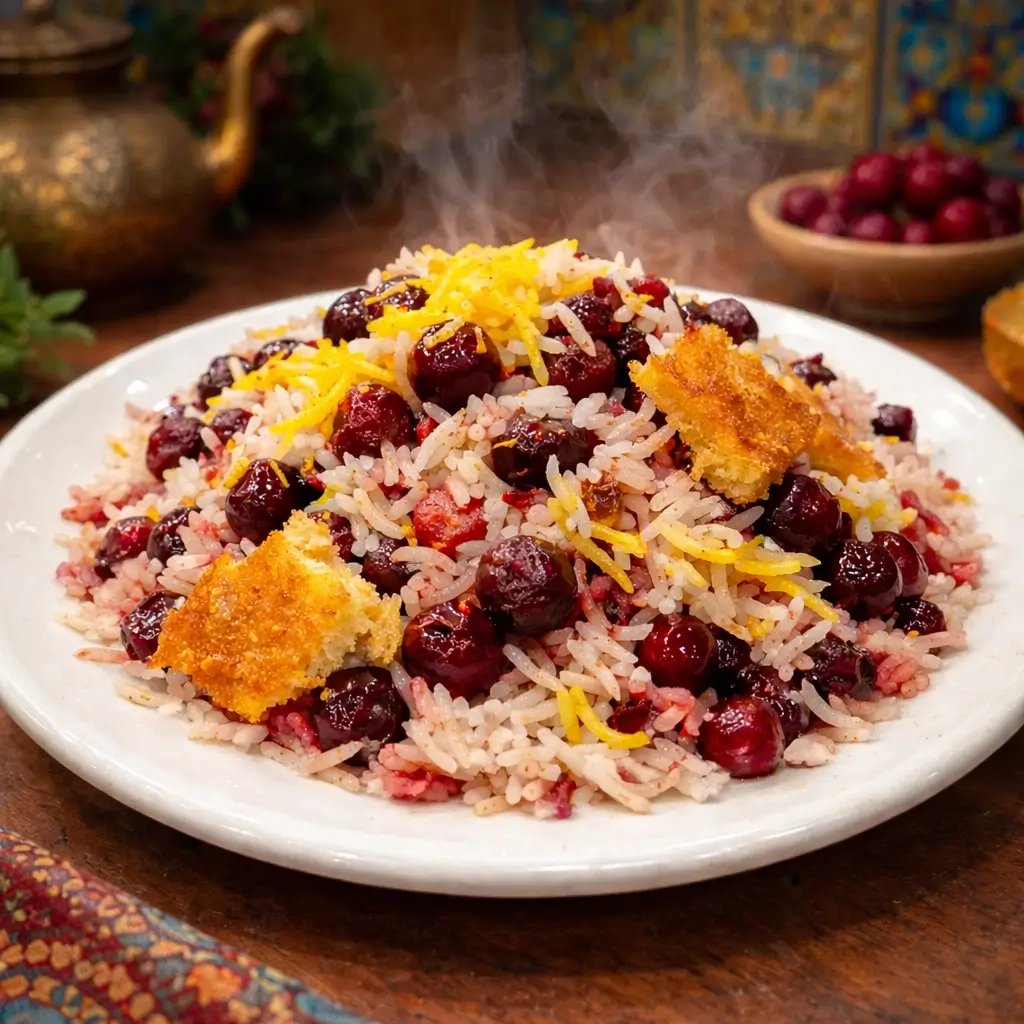
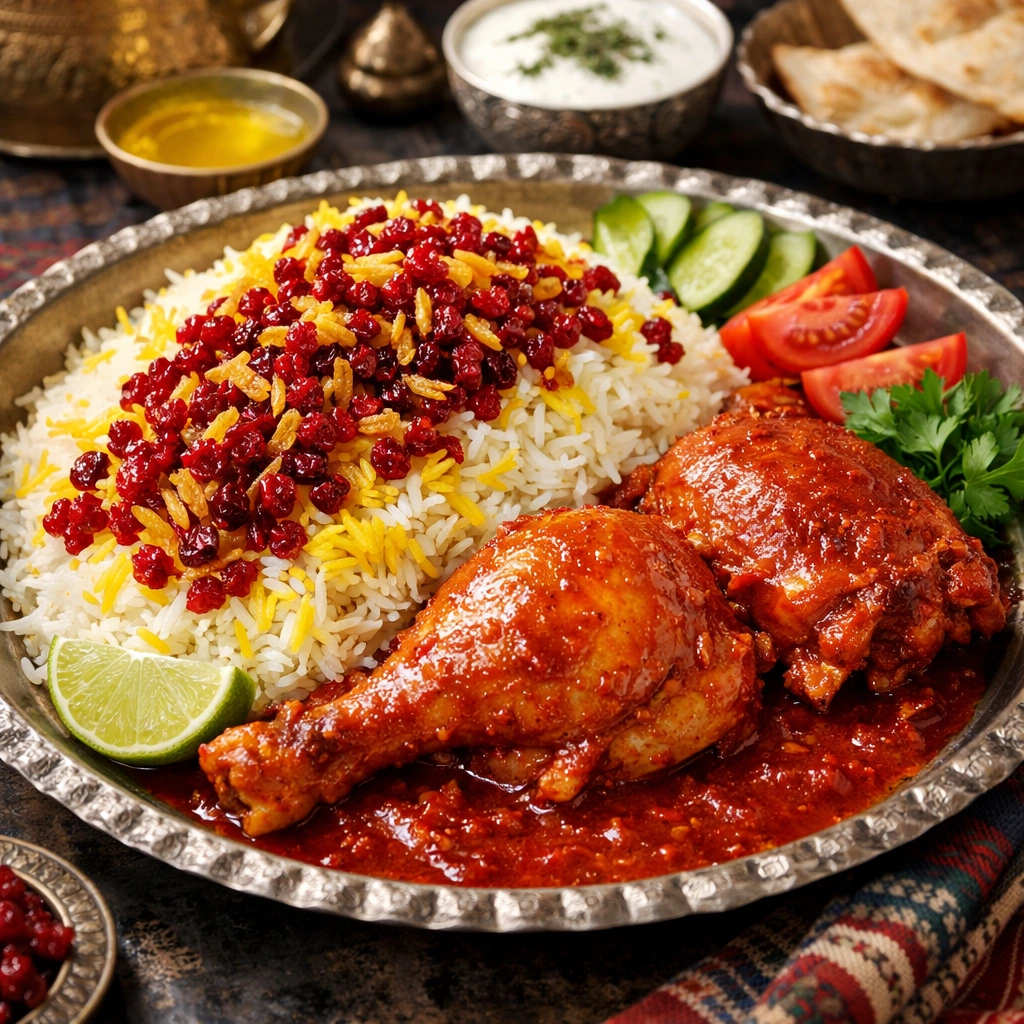
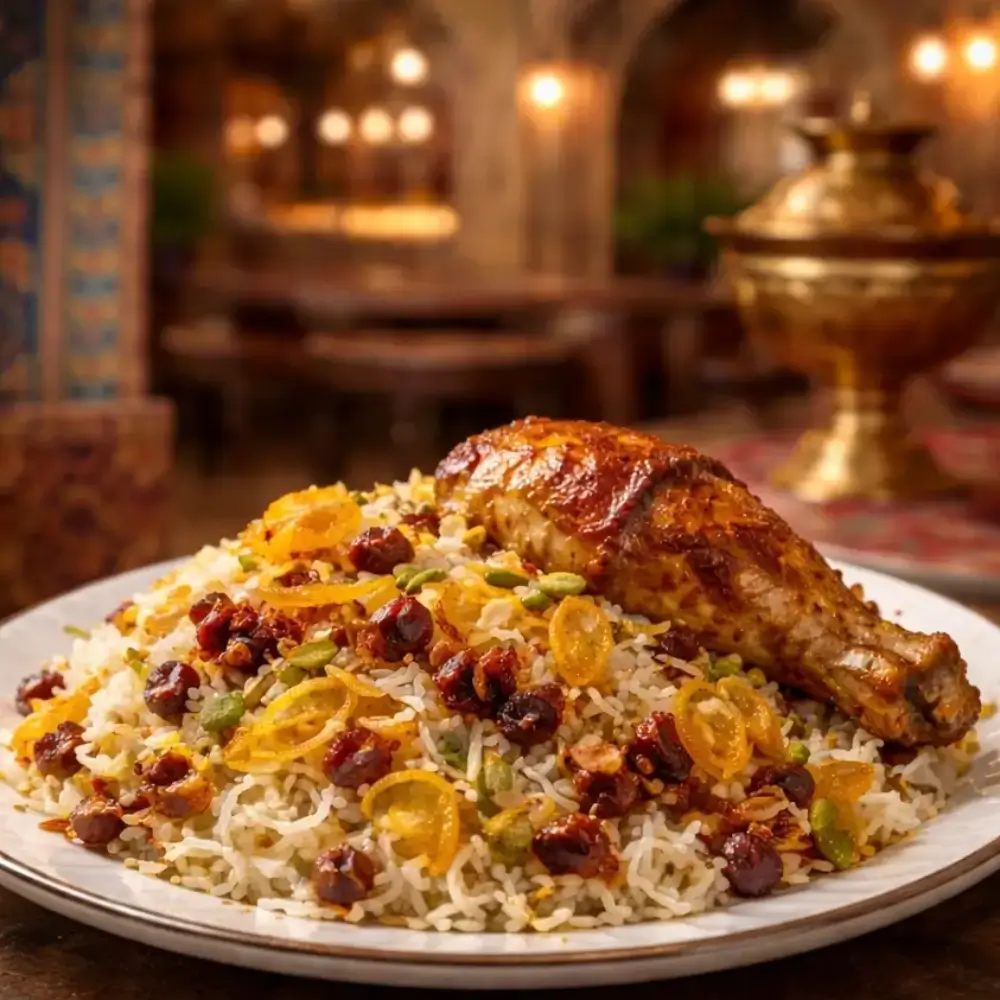
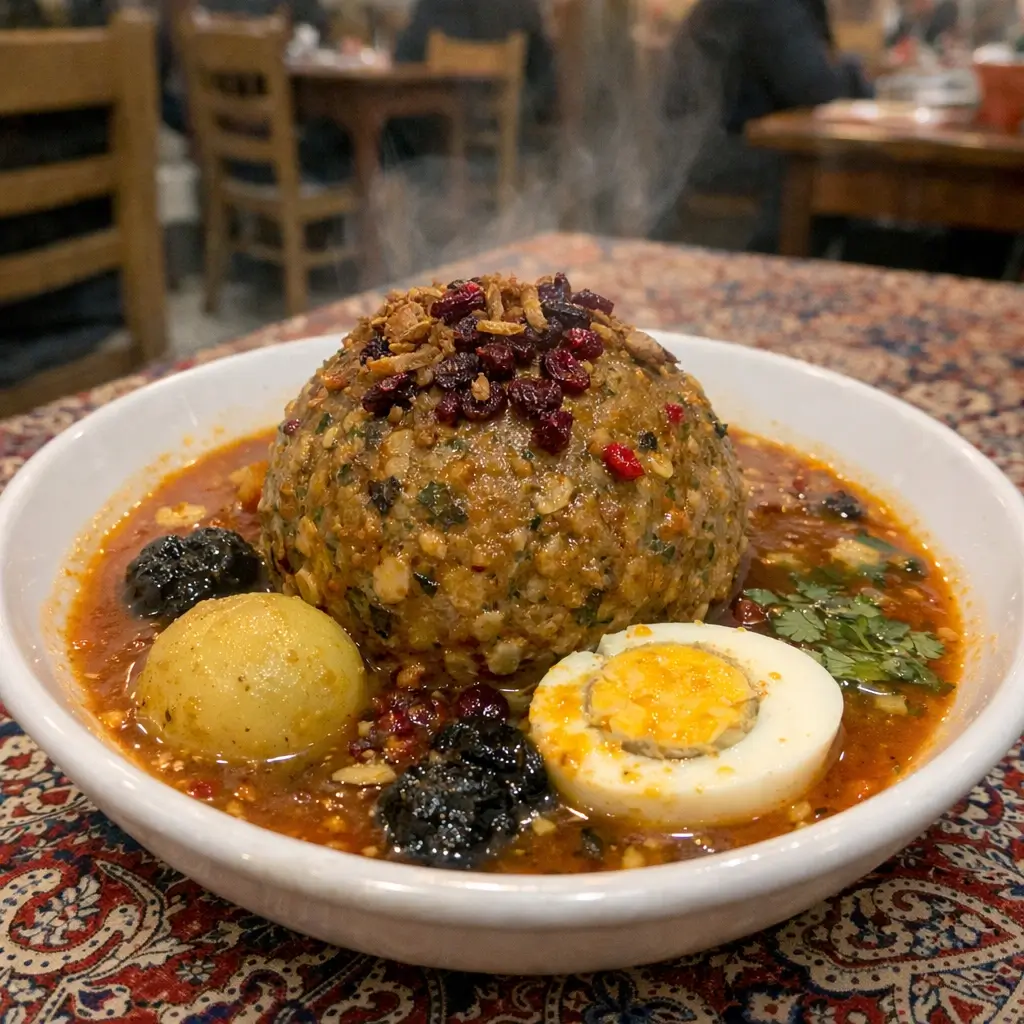
The use of fruit in savory dishes is another hallmark of the region. You might find dried plums, barberries, or pomegranate molasses added to meats to provide a sharp, vinegary kick. The barberries, in particular, are small red gems that are sautéed in butter and sugar before being scattered over rice. They pop in your mouth, releasing a tartness that cuts through the richness of the poultry or lamb. This interplay between sweet and sour is what makes the authentic flavors of the region so distinct. It is a sophisticated use of local ingredients that have been harvested from the same orchards for thousands of years.
Street Scenes and Iran Food Culture
If you move away from the homes and into the streets, the vibe shifts but the focus on quality remains. Street vendors specialize in very specific things. One man might only sell roasted beets, glowing deep red under a dim light bulb on a cold night. Another might only serve hot broad beans seasoned with vinegar and red pepper. These are the snacks of the working class, sold from carts that haven’t changed in decades. There is a honesty in this kind of eating. You stand on the sidewalk, holding a steaming bowl, and for a few minutes, everything else disappears. The communal dining aspect is even present here, as strangers stand shoulder to shoulder, sharing the same salt shaker.
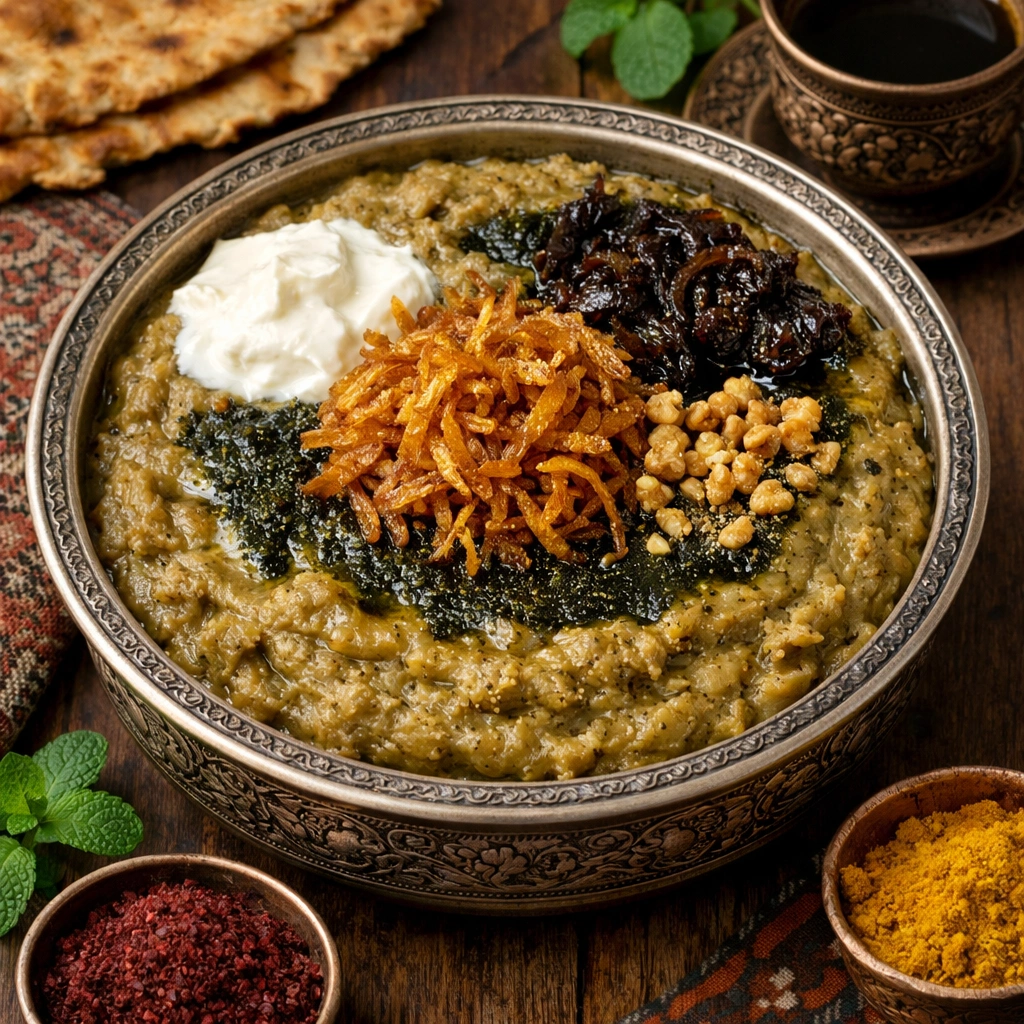
Then there are the bakeries. You can find them by following the smell of toasted grain. The bakers work in intense heat, slapping long sheets of dough against the walls of a glowing oven. Some breads are long and ridged, while others are thin and speckled with bubbles from the high heat. People wait in line with pieces of cloth to wrap their bread in, ensuring it stays soft on the walk home. Bread is more than just a side dish; it is the utensil used to scoop up thick dips made from roasted eggplant or to wrap around a piece of salty white cheese and a sprig of tarragon. In the context of Iran food, bread is the foundation of every single day.
Spices and Scent in the Iranian Kitchen
Walking into a spice shop in a local bazaar is an overwhelming experience. Burlap sacks are piled high with turmeric, cinnamon, and dried rose petals. These aren’t used to make the food spicy in terms of heat, but rather to give it a deep, complex aroma. Turmeric is the workhorse of the Iranian kitchen, used in almost every base to give the oil a golden hue. Cinnamon is often used in meat stews, not to make them sweet, but to add a woody warmth that pairs perfectly with tomatoes and split peas. The rose petals are often ground into a powder and added to yogurt or used as a garnish, providing a floral note that is synonymous with the region’s sweets and savory dishes alike.
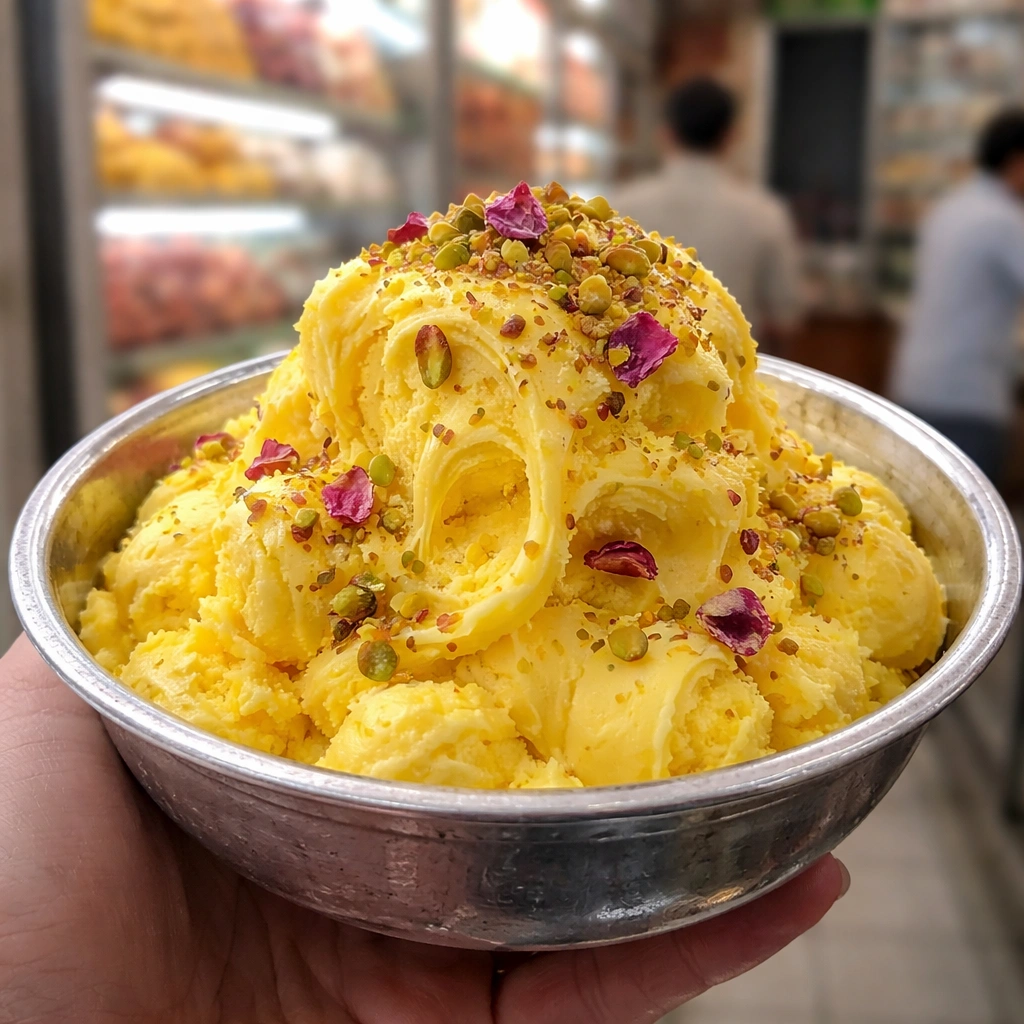
The most prized of all is saffron. It is handled with extreme care, usually ground into a fine powder with a sugar cube and then dissolved in a small amount of hot water to release its color and scent. This liquid gold is used sparingly but effectively. It tints the top layer of rice, perfumes the chicken, and colors the ice cream. When you walk into a house where someone is cooking with saffron, the scent is unmistakable—it is earthy, slightly hay-like, and incredibly potent. It represents the luxury within the simplicity of traditional recipes, showing that even a basic meal of rice and meat can be elevated by the right local ingredients.
The Influence of Geography on Persia Cuisine
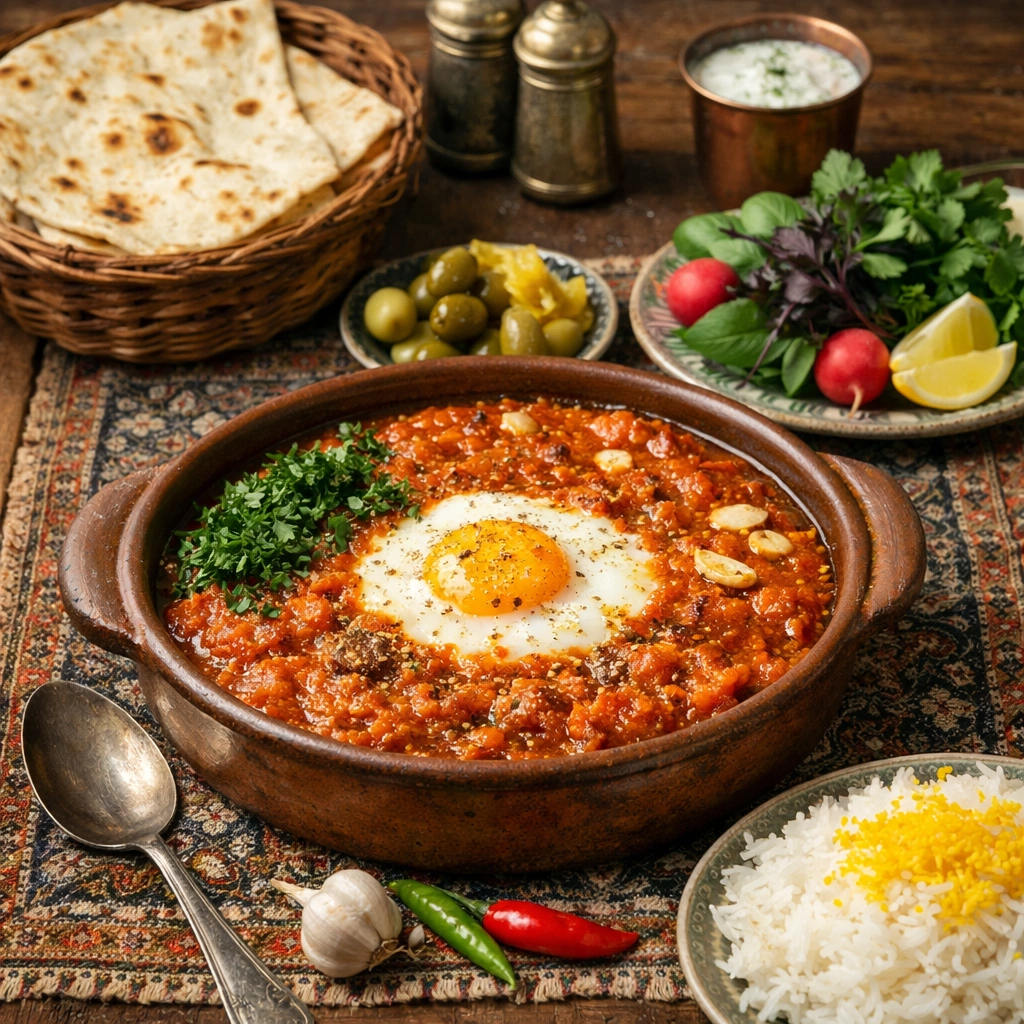
The geography of the country plays a massive role in what ends up on the plate. In the north, near the sea, the climate is humid and lush. Here, the food is heavy on garlic, smoked fish, and fresh citrus. The flavors are bright and often very green, reflecting the forests and fields of the region. You will find dishes where eggs are whisked into sautéed garlic and smoked eggplant, creating a rich, spreadable consistency that is eaten with plenty of fresh bread. The north is also where the majority of the country’s rice is grown, and the quality of the grain there is considered the best in the land.
In contrast, the southern regions near the coast are influenced by the heat and the spice trade. The food there is much hotter, using dried peppers and more intense spices. Seafood is the star, often marinated in tamarind and stuffed with a mix of cilantro and peppers before being baked or fried. The central plateau, where cities like Isfahan and Shiraz are located, is the land of the slow-cooked stews and the perfectly balanced rice dishes. Here, the focus is on the garden—pomegranates, walnuts, and herbs are used in abundance. Each region has its own version of home-cooked vibes, but they all share the same underlying philosophy of balance and hospitality.
Rituals of the Persian Table
Dining is a slow process. It is common for a meal to last several hours. It starts with tea, always served in small glass cups so you can see the clarity and color of the brew. The tea is hot and strong, usually accompanied by a piece of rock candy or a date. Then comes the spread of appetizers—plates of thick yogurt mixed with shallots or chopped cucumbers, bowls of olives marinated in pomegranate juice and ground walnuts, and the ever-present basket of herbs. This part of the meal is meant to whet the appetite and encourage conversation.
When the main course arrives, the atmosphere changes. The host will often insist on piling more food onto your plate, a gesture of generosity that is hard to refuse. The communal dining experience is built on this idea of selflessness. Even if a family has very little, they will provide the best they have for a guest. This is where the true heart of the Iran culinary world lies—not in the ingredients themselves, but in the way they are offered. The food is a vehicle for connection, a way to show respect and love to those sitting around the table.
The Role of Slow Cooking in Iran Food
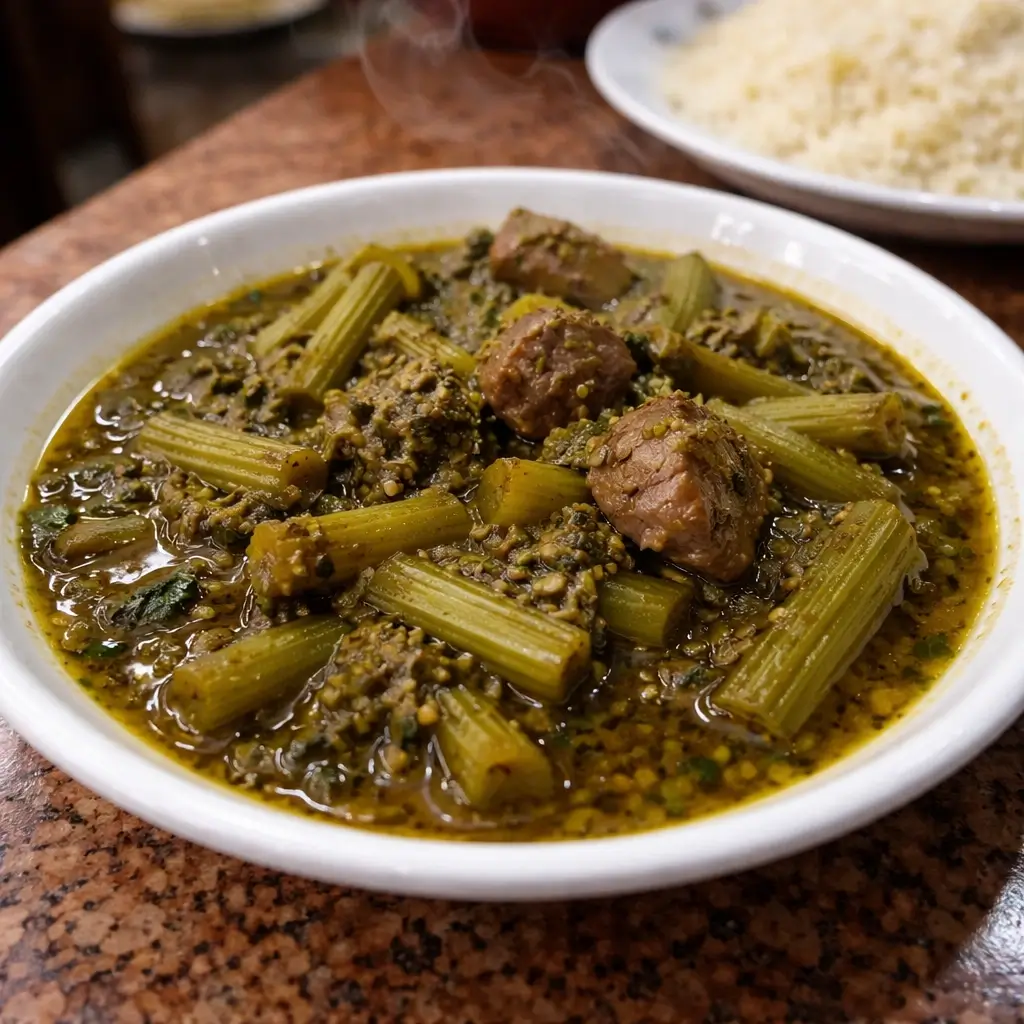
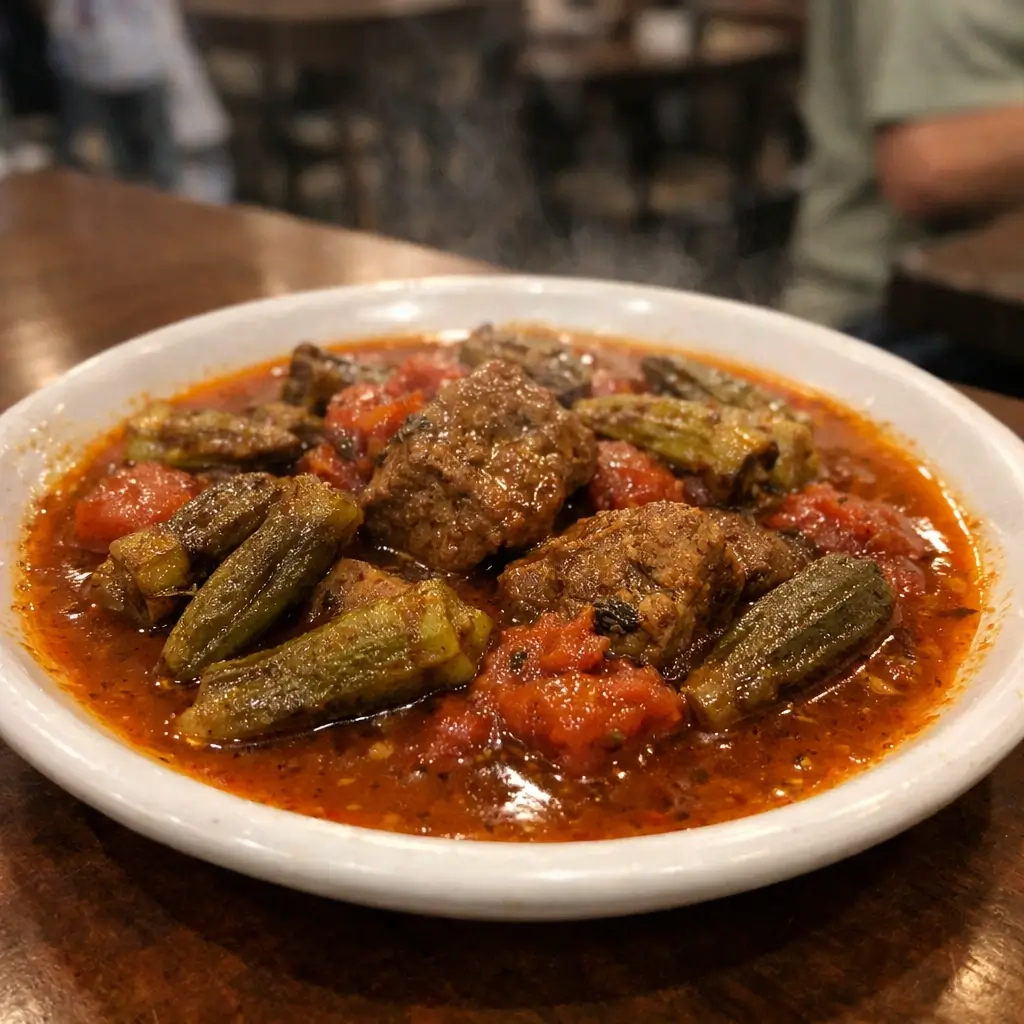
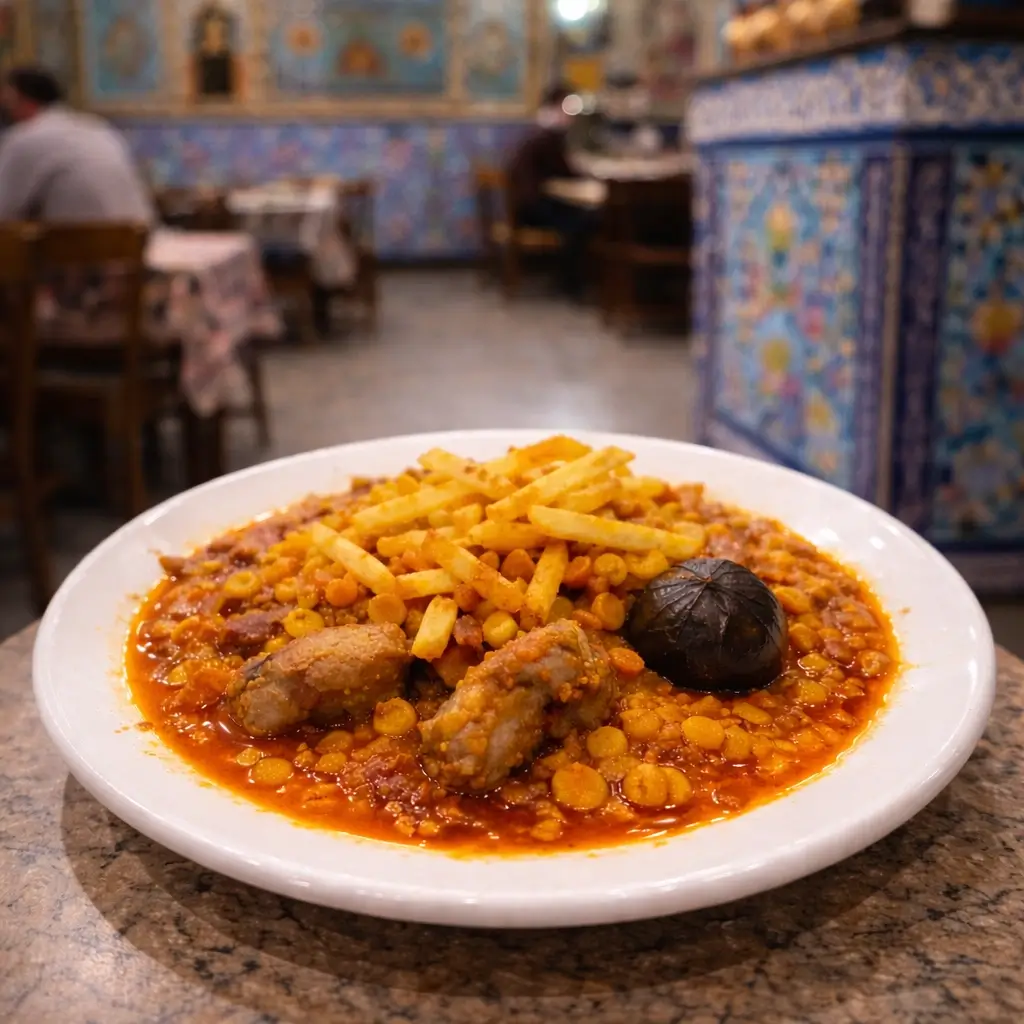
Time is an ingredient that cannot be substituted in this style of cooking. Many of the most famous stews require hours of simmering on a low flame. This allows the tough cuts of meat to break down until they can be pulled apart with a fork, and the flavors of the dried limes and herbs to meld into something entirely new. There is a specific stage in the cooking of a green herb stew where the sauce turns dark and the oil begins to separate; this is when you know it is ready. If you try to eat it too early, the flavors are disjointed. The wait is part of the experience.
This slow approach also applies to the way vegetables are treated. Onions are not just softened; they are fried until they are golden and crispy, almost like candy. Eggplants are salted, rinsed, and then fried until they are creamy on the inside. This attention to detail ensures that even the simplest ingredients are transformed. In a world of fast food, the Iranian kitchen remains a place where the clock doesn’t matter as much as the result. The traditional recipes have been passed down through generations, mostly by word of mouth and by watching a mother or grandmother move through the kitchen with practiced ease.
Authentic Flavors and Modern Life
Despite the fast pace of modern life in the bigger cities, the desire for home-cooked vibes remains strong. Young people might grab a quick sandwich for lunch, but for dinner, they still crave the taste of their childhood. You can see this in the way restaurants are designed. Many try to replicate the feeling of a traditional courtyard, with fountains and low seating. Even in a busy urban center, people seek out the familiar tastes of slow-cooked meat and herb-heavy broths. The Iranian food scene is remarkably resilient, holding onto its core identity even as it adapts to new influences.
There is also a growing appreciation for the health benefits of this diet. The heavy use of turmeric, garlic, pulses, and fresh greens makes it naturally nutritious. People are aware that the food they eat affects how they feel, and they take pride in the freshness of their produce. A trip to the vegetable market is a daily ritual for many, ensuring that the herbs are vibrant and the fruit is at its peak ripeness. This connection to the land and the seasons is what keeps the Iran culinary tradition so grounded and authentic.
The Sweet Side of Iranian Culinary Art
No discussion of this culture is complete without mentioning the sweets. However, these are rarely eaten as dessert immediately after a meal. Instead, they are enjoyed with tea throughout the day. The sweets are often flavored with rosewater, cardamom, and saffron. Some are brittle and loaded with pistachios, while others are soft and floury, melting the moment they touch your tongue. There is a specific kind of pulled taffy that is famous in the central regions, flavored with the essence of a desert plant. It is sticky, sweet, and carries the fragrance of the arid landscape.
Pastries are often layered with thin sheets of dough and drenched in syrup, or filled with a paste of ground nuts and spices. The craftsmanship involved in making these is incredible. You can watch bakers in the bazaar stretching dough until it is paper-thin, or dropping bits of batter into hot oil to create swirling, crispy shapes. These treats are a vital part of the social fabric, brought as gifts when visiting someone’s home or served at weddings and religious festivals. They represent the hospitality and the sweet nature of the people themselves.
The Legacy of the Persian Kitchen
The culinary traditions of this region have influenced a massive part of the world. You can find traces of these cooking methods and ingredients from Northern India to the shores of the Mediterranean. The focus on rice, the use of fruit in meat dishes, and the specific way herbs are used have all traveled along old trade routes. Yet, in its homeland, the food remains something very personal and specific. It is tied to the soil, the climate, and the long history of the people who live there. Every time someone sits down to a plate of steaming rice and a bowl of slow-cooked stew, they are participating in a tradition that is thousands of years old.
It is a cuisine that doesn’t need to shout to be heard. It relies on the subtle power of aroma and the deep satisfaction of a well-balanced meal. Whether it is a simple piece of bread with cheese or a complex feast for twenty people, the level of care remains the same. The Iranian people treat their food as a reflection of their culture—generous, complex, and deeply rooted in a sense of place. To eat here is to be welcomed into a world where the fire is always going, the tea is always hot, and there is always room for one more person at the table.
As the sun sets and the air cools, the smoke from the grills begins to dissipate, but the smell remains. It lingers in the fabric of your clothes and the memory of your taste buds. It is the smell of a culture that has perfected the art of nourishment. The Iran food experience is not something you just consume; it is something you feel. It is the warmth of the bread, the tartness of the sumac, and the quiet satisfaction of a meal shared in good company. In the end, that is what makes these authentic flavors so enduring. They are not just about feeding the body, but about sustaining the spirit through the simple, honest act of cooking and eating together.
The lights of the city begin to twinkle, and the noise of the traffic fades, but in the kitchens and the small eateries, the work continues. Another pot of rice is being fluffed, another batch of herbs is being chopped, and the cycle begins again. This is the heartbeat of the country, steady and reliable, found in every bowl and on every platter. It is a story told through steam and spice, a narrative of survival and celebration that continues to unfold one meal at a time. The Iranian culinary world is a living thing, evolving but always staying true to the fundamental balance that defines it.
The final cup of tea is poured, the last scrap of bread is used to clean the plate, and the day comes to a close. There is a sense of peace that comes with a full stomach and a long conversation. In this part of the world, a meal is never just a meal; it is an event, a ritual, and a bridge between people. As you walk away from the table, the lingering taste of saffron and the memory of the hospitality follow you, a reminder of the deep, unshakeable roots of this ancient and beautiful food culture.